

Mother’s Day is one of the most celebrated holidays in the United States, dedicated to honoring mothers and recognizing their love, sacrifice, and influence in families and society. While today it is often associated with flowers, greeting cards, and family gatherings, the holiday has a meaningful historical origin rooted in peace movements and social activism.
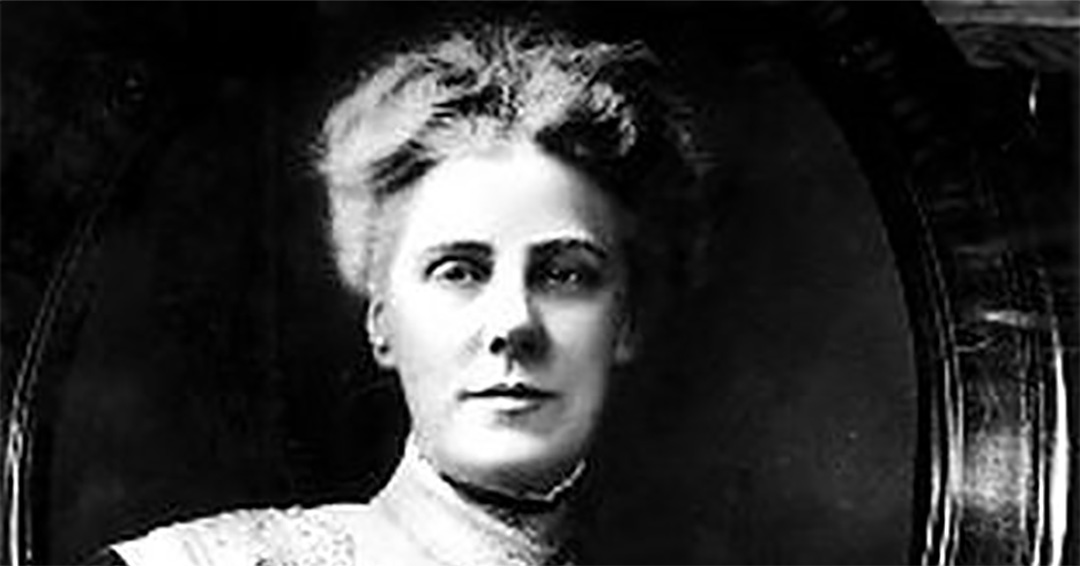
The modern American Mother’s Day was largely inspired by Anna Jarvis. After the death of her mother, Ann Reeves Jarvis, in 1905, Anna wanted to create a national day that would honor mothers for their dedication and hard work. Her mother had been a community activist who organized “Mother’s Day Work Clubs” to improve sanitation and health conditions during the 19th century.
In 1908, Anna Jarvis organized the first official Mother’s Day celebration at a church in Grafton. On the same day, a larger public event was held in Philadelphia. The idea quickly gained popularity across the country as more people supported the recognition of mothers through a dedicated holiday.
By 1914, President Woodrow Wilson officially declared the second Sunday in May as Mother’s Day in the United States. The holiday became a national observance intended to express gratitude and appreciation for mothers everywhere.
Interestingly, Anna Jarvis later became disappointed with the commercialization of Mother’s Day. She believed the holiday had become too focused on profits from cards, flowers, and gifts rather than sincere appreciation and personal gratitude.
Today, Mother’s Day continues to be celebrated worldwide in many different forms, but its American origin remains closely connected to the efforts of Anna Jarvis and her vision of honoring the importance of mothers in society.